
Finding the Magnesium Dose That Actually Helps Ease Bloating
8/2/20262 min read


You eat well. You drink water. You've even tried probiotics. Yet your stomach still feels tight, swollen, or uncomfortable by the end of the day.
When someone mentions magnesium, it sounds like it should be a simple answer. But the real frustration is that every article recommends a different dose, a different form, and a different promise.
The truth is that magnesium can help certain types of bloating, but only when the dose matches the reason you're bloated in the first place. Taking more isn't automatically better. In some cases, it can even make digestion feel worse.
If constipation is driving your bloating, start low. Many people notice improvement with 200–400 mg of magnesium daily, especially in forms like magnesium citrate, which gently draws water into the bowel and supports more regular movements. If stools become loose, the dose is likely too high for your body.
If stress makes your stomach feel tight, the goal is different. Chronic stress can affect gut movement and make you more aware of normal digestive sensations. Magnesium glycinate is often chosen because it's less likely to loosen stools while helping support normal muscle and nervous system function. Many people begin around 200–300 mg daily, preferably in the evening.
If diarrhea is already part of the problem, be careful. Magnesium citrate can increase bowel activity. If loose stools are common, adding more of this form may increase bloating instead of reducing it. In that situation, the underlying cause deserves more attention than simply increasing magnesium.
Consistency matters more than chasing a higher dose. Magnesium isn't a quick fix for everyone. If it's going to help, improvements usually come from taking an appropriate amount consistently while also supporting hydration, movement, and regular meals. Jumping from 200 mg to 600 mg overnight rarely speeds things up.
Know when magnesium isn't the answer. If your bloating happens after nearly every meal, comes with significant pain, unexplained weight loss, blood in the stool, persistent vomiting, or symptoms that continue despite simple changes, it's important to speak with a healthcare professional. Bloating can have many causes, including food intolerances, digestive disorders, pelvic floor dysfunction, or changes in the gut microbiome that magnesium alone won't solve.
One more thing is worth remembering: bloating is a symptom, not a diagnosis. Magnesium can be a useful tool when constipation, muscle tension, or stress are part of the picture. But if those aren't the real drivers, changing the dose won't solve the problem.
That realization often brings relief instead of disappointment. It means your body isn't failing you, and it doesn't mean you've somehow missed the "perfect" supplement. It simply means your gut is responding to something deeper. Understanding where magnesium fits is valuable, but it's only one piece of the puzzle. The next part connects that piece to the bigger picture so you can finally understand why the same symptoms keep coming back in the first place. Here's the part nobody tells you.
Here's the part nobody tells you.
You can know every food. Every habit. Every supplement. And still wake up tomorrow feeling like your body is quietly working against you.
Not because you're doing it wrong. Because nobody has ever handed you the full picture — just pieces from people selling you the next thing.
That ends today.
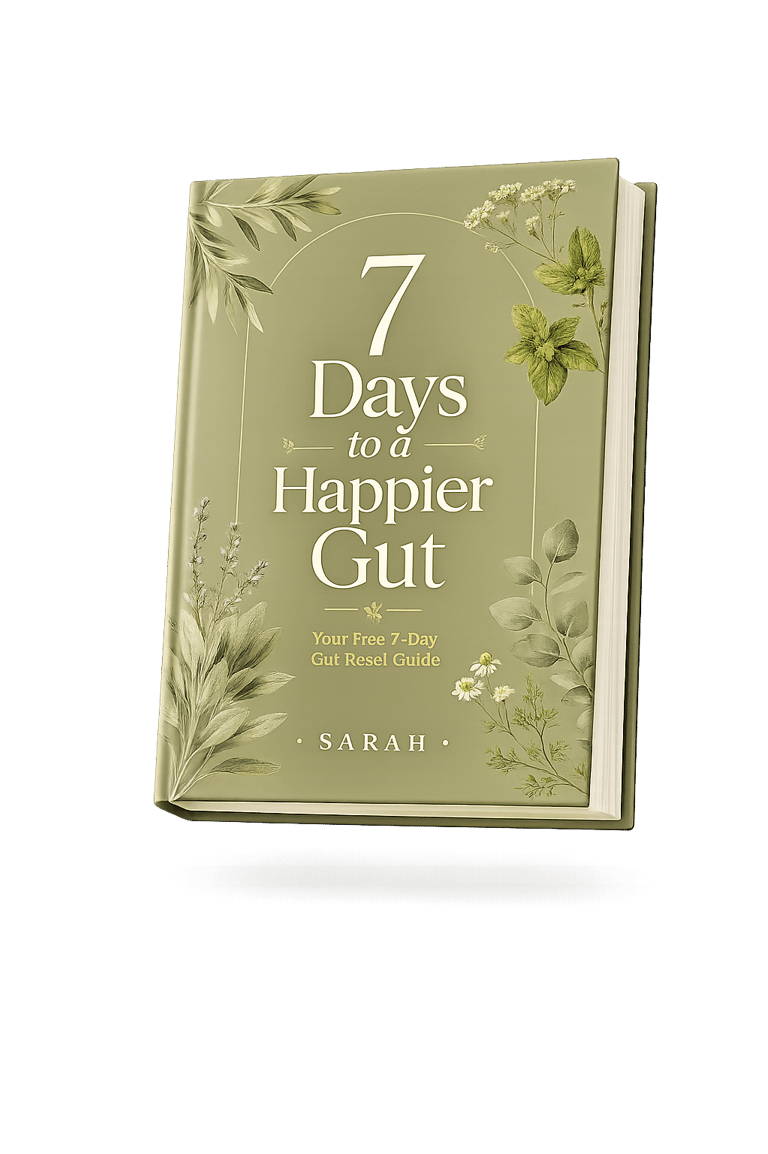

7 Days to a Happier Gut
The free reset guide for people who tried everything and were still bloated, exhausted, and tired of guessing.
No supplements. No overhauling your life. No advice you've already tried. Just seven days — one small shift per day — targeting the actual root of why your gut keeps failing you. Not the symptoms everyone keeps treating.
By Day 7:
✓ You'll understand why your gut has been struggling — and why it was never your fault
✓ The stress-bloating loop no food change alone can fix — broken
✓ Your overnight gut repair window — opened every night, used every morning
✓ A personal maintenance card in your hand — your gut, decoded, in writing
📍 Picture this
Sunday morning. You wake up. You walk to the kitchen. And for the first time in months, you don't check your stomach in the mirror. You don't brace before breakfast. You just exist in your body — light, clear, normal.
That morning is closer than you think.
But it doesn't start Sunday.
It starts tonight — with what you change before bed.
Wait until Monday and you've already lost three days of healing your body wanted to do this week.
Drop your email below. The guide hits your inbox in 60 seconds.
🔒 No spam. No selling your email. One click to unsubscribe — forever.
Simple, honest gut health advice for everyday women. No jargon, no fads — just real tips that actually work, straight to your inbox.
EXPLORE
Stay in the Loop
© 2025. All rights reserved.


Get weekly gut health tips delivered straight to your inbox. Free, always.