
Constipation Bloat or Gas Bloat? How to Tell What Your Gut Needs
8/12/20262 min read


You eat carefully, yet your stomach can still look and feel painfully swollen.
Sometimes it feels tight and heavy. Other times, pressure moves around and never seems to settle.
The frustrating part is that both can feel like “bloating,” even when the cause differs.
That distinction matters because constipation bloat and gas bloat often need different approaches. Knowing which pattern fits you can prevent you from trying another remedy that misses the problem.
Constipation bloat usually feels heavy and stuck.
If your abdomen feels full for hours, constipation may play a role. You might have fewer bowel movements than usual, harder stools, or feel like you haven't fully emptied.
When stool moves slowly, material stays in the colon longer. Your abdomen can feel distended and uncomfortable as a result.
You may also notice that the bloating improves after having a bowel movement. That clue can be more useful than simply counting how often you go.
Gas bloat often feels more mobile.
Gas can create pressure, fullness, cramping, or visible swelling. The sensation may move from one area of your abdomen to another.
You might burp more, pass gas, or notice relief after passing gas. Certain foods, eating quickly, swallowing air, and fermentation in the gut can all contribute.
Gas doesn't automatically mean you ate something “bad.” Even nutritious foods can produce more fermentation in some people.
Your timing can reveal another clue.
Constipation-related bloating may build gradually and stick around. Gas-related bloating can appear after meals or at certain times of day.
Pay attention to what happens before the discomfort starts. Notice your bowel movements, meals, stress levels, and whether passing stool or gas brings relief.
You don't need a complicated tracking system. A few days of simple observations can reveal patterns you previously missed.
The response you need depends on the pattern.
If constipation seems likely, focus first on regular bowel habits. Adequate fluids, gentle movement, and gradually increasing dietary fiber can support normal bowel function. Increasing fiber too quickly can worsen bloating for some people.
If gas seems more likely, slow down during meals and notice which foods consistently trigger symptoms. Eating more slowly can also reduce swallowed air.
And if bloating keeps returning despite these changes, don't assume you simply need another food restriction.
The goal isn't to fight every symptom. It's to understand what your gut is actually responding to.
Once you separate constipation bloat from gas bloat, the situation often becomes much less confusing. You stop throwing random solutions at the same uncomfortable feeling. You start noticing what your body is telling you.
But there is another piece that can make this surprisingly difficult: sometimes the pattern changes from day to day. What feels like gas one morning can involve slower digestion by evening. That is why chasing a single “bloat trigger” can leave you frustrated.
You may understand your symptoms better now, but understanding the pattern is only the beginning. The next question is what happens underneath that pattern, especially when your gut seems unpredictable despite everything you are already doing. That is where the bigger picture starts to make sense.
Here's the part nobody tells you.
You can know every food. Every habit. Every supplement. And still wake up tomorrow feeling like your body is quietly working against you.
Not because you're doing it wrong. Because nobody has ever handed you the full picture — just pieces from people selling you the next thing.
That ends today.
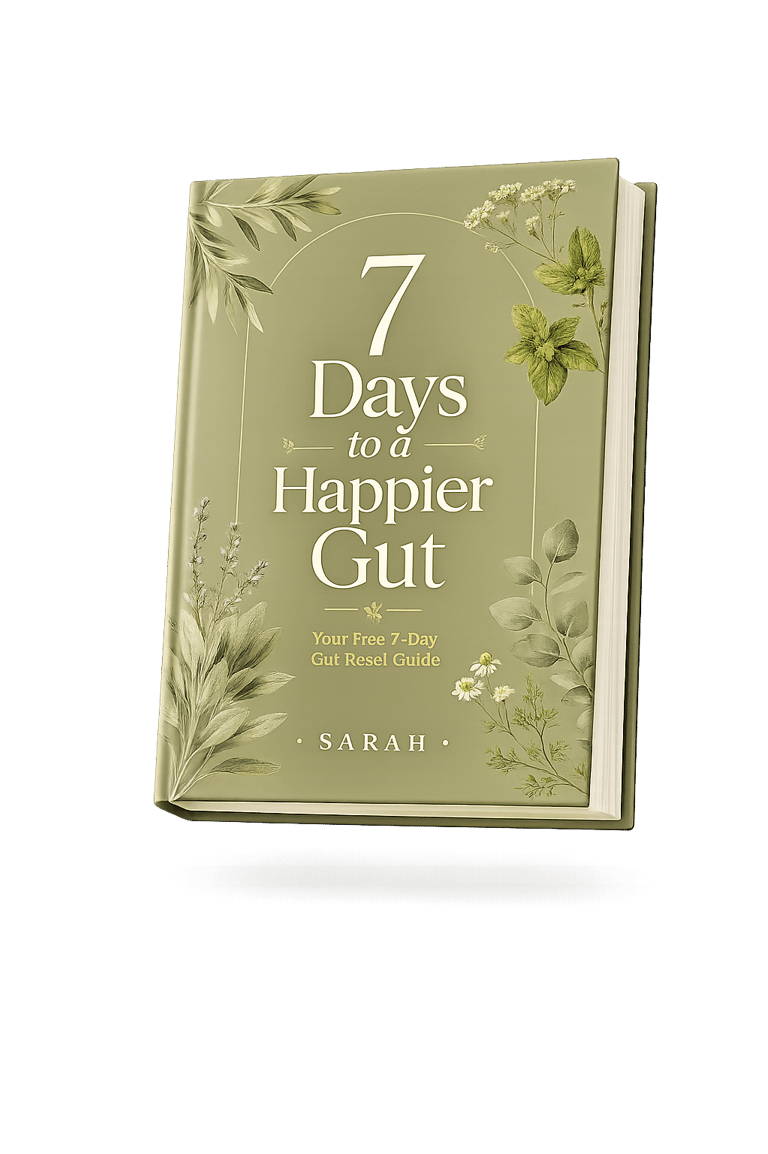
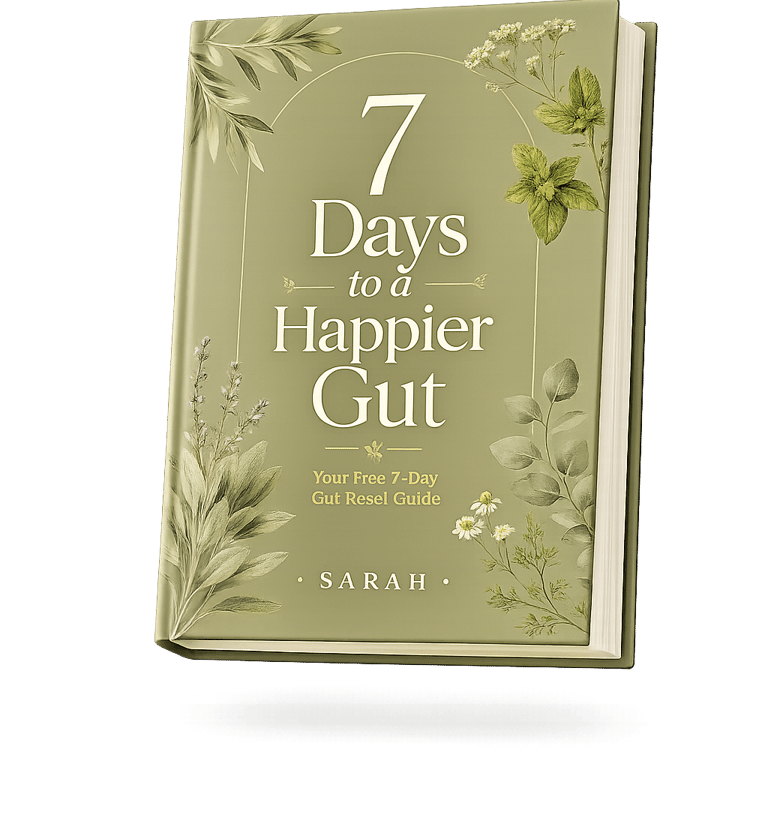
7 Days to a Happier Gut
The free reset guide for people who tried everything and were still bloated, exhausted, and tired of guessing.
No supplements. No overhauling your life. No advice you've already tried. Just seven days — one small shift per day — targeting the actual root of why your gut keeps failing you. Not the symptoms everyone keeps treating.
By Day 7:
✓ You'll understand why your gut has been struggling — and why it was never your fault
✓ The stress-bloating loop no food change alone can fix — broken
✓ Your overnight gut repair window — opened every night, used every morning
✓ A personal maintenance card in your hand — your gut, decoded, in writing
📍 Picture this
Sunday morning. You wake up. You walk to the kitchen. And for the first time in months, you don't check your stomach in the mirror. You don't brace before breakfast. You just exist in your body — light, clear, normal.
That morning is closer than you think.
But it doesn't start Sunday.
It starts tonight — with what you change before bed.
Wait until Monday and you've already lost three days of healing your body wanted to do this week.
Drop your email below. The guide hits your inbox in 60 seconds.
🔒 No spam. No selling your email. One click to unsubscribe — forever.
Simple, honest gut health advice for everyday women. No jargon, no fads — just real tips that actually work, straight to your inbox.
EXPLORE
Stay in the Loop
© 2025. All rights reserved.


Get weekly gut health tips delivered straight to your inbox. Free, always.