
7 Signs Low Stomach Acid May Be Behind Your Persistent Bloating
8/15/20262 min read


You eat fairly well, yet your stomach still feels swollen after meals.
You may even eat “clean” and wonder why digestion never feels normal.
That gets frustrating when every new food rule creates another problem.
Sometimes the issue may involve how your stomach handles food.
Low stomach acid can affect digestion, but it gets blamed too quickly. These signs can help you spot a pattern without assuming one symptom proves it.
Bloating soon after eating
Your stomach may feel heavy, full, or distended after meals. Low stomach acid can affect protein breakdown and stomach signaling. But bloating has many other possible causes.
Feeling unusually full after small meals
You may feel stuffed long before expected. Stomach acid helps coordinate digestion and signals involved in moving food onward. When digestion slows, fullness can linger.
Frequent burping or upper-abdominal discomfort
Repeated burping, pressure, or discomfort can happen when your upper digestive system struggles with a meal. These symptoms do not prove low stomach acid. Reflux, carbonation, and large meals can cause them too.
Protein-heavy meals feel especially difficult
You might notice more heaviness after meat, eggs, or other protein-rich foods. Stomach acid supports protein digestion by helping activate pepsin. Difficulty with protein alone does not confirm low acid.
Nutrient deficiencies without an obvious explanation
Stomach acid supports the release and processing of certain nutrients. Low acid can occur with some conditions or medications and may contribute to deficiencies. Unexplained deficiencies need proper testing, not guesswork.
You use acid-reducing medication regularly
Proton pump inhibitors and similar medicines can lower stomach acid. They can be useful, so never stop them suddenly because of a symptom checklist. Talk with your clinician if concerned.
Your bloating keeps returning despite dietary changes
You may have removed dairy, gluten, sugar, or entire food groups and still feel bloated. That tells you something important: food may not explain everything. Low stomach acid is one possibility, not a diagnosis you can make from bloating alone.
These signs matter most when you look at the whole pattern. Persistent, severe, or painful bloating deserves evaluation, especially with vomiting, bleeding, weight loss, or trouble swallowing.
Low stomach acid is not the same as excess stomach acid. Their symptoms can overlap with other digestive conditions. So blindly adding acidic foods or acid-supporting products may make some problems worse.
The goal is not to guess your stomach acid level. It is to understand what your digestion responds to and what helps. Once you see that bigger pattern, your bloating becomes information instead of a mystery.
But one question still remains: what is actually driving your symptoms? That answer rarely comes from blaming one digestive factor. It comes from seeing how digestion, meals, stress, and daily habits interact. The same bloating pattern can have different causes. Once you understand those connections, the next piece of the puzzle becomes much easier to see.
Here's the part nobody tells you.
You can know every food. Every habit. Every supplement. And still wake up tomorrow feeling like your body is quietly working against you.
Not because you're doing it wrong. Because nobody has ever handed you the full picture — just pieces from people selling you the next thing.
That ends today.
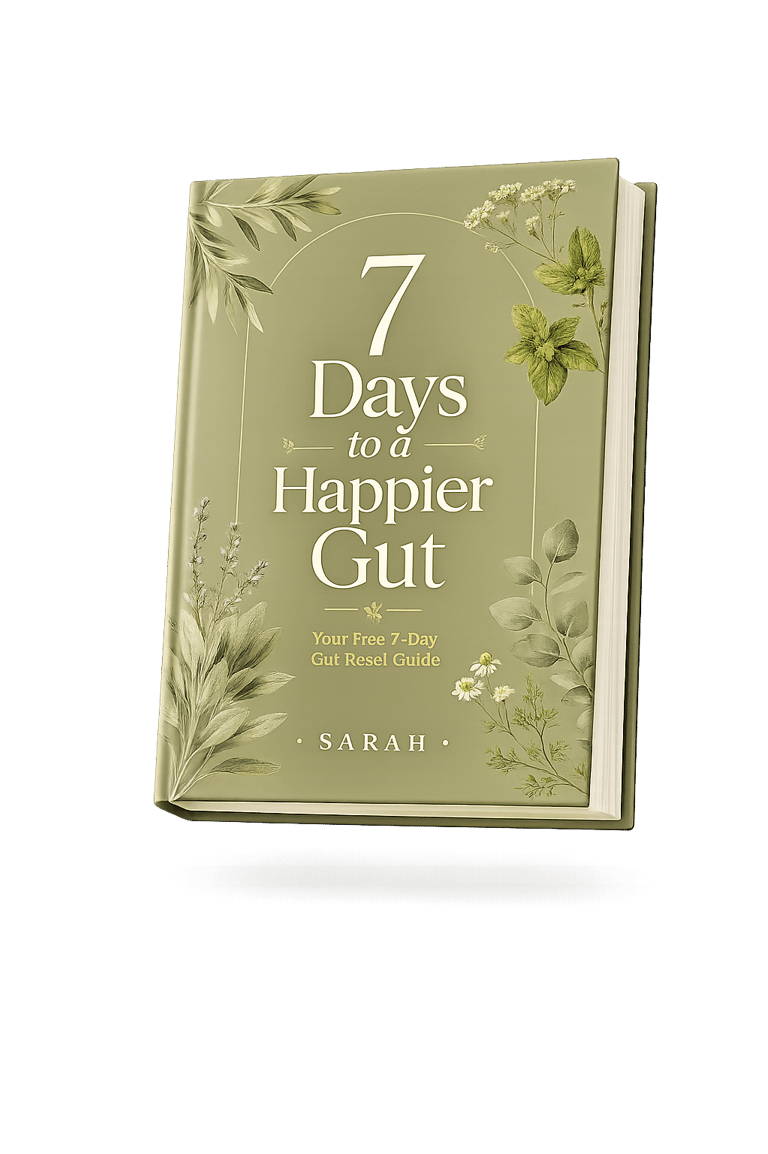
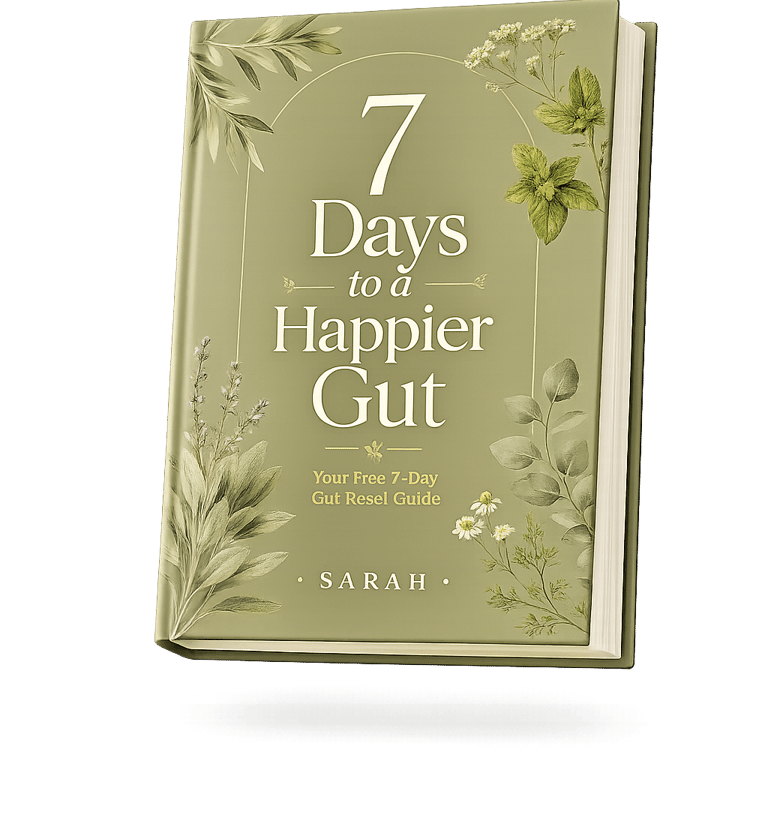
7 Days to a Happier Gut
The free reset guide for people who tried everything and were still bloated, exhausted, and tired of guessing.
No supplements. No overhauling your life. No advice you've already tried. Just seven days — one small shift per day — targeting the actual root of why your gut keeps failing you. Not the symptoms everyone keeps treating.
By Day 7:
✓ You'll understand why your gut has been struggling — and why it was never your fault
✓ The stress-bloating loop no food change alone can fix — broken
✓ Your overnight gut repair window — opened every night, used every morning
✓ A personal maintenance card in your hand — your gut, decoded, in writing
📍 Picture this
Sunday morning. You wake up. You walk to the kitchen. And for the first time in months, you don't check your stomach in the mirror. You don't brace before breakfast. You just exist in your body — light, clear, normal.
That morning is closer than you think.
But it doesn't start Sunday.
It starts tonight — with what you change before bed.
Wait until Monday and you've already lost three days of healing your body wanted to do this week.
Drop your email below. The guide hits your inbox in 60 seconds.
🔒 No spam. No selling your email. One click to unsubscribe — forever.
Simple, honest gut health advice for everyday women. No jargon, no fads — just real tips that actually work, straight to your inbox.
EXPLORE
Stay in the Loop
© 2025. All rights reserved.


Get weekly gut health tips delivered straight to your inbox. Free, always.